Thank you! Your submission has been received!
Oops! Something went wrong while submitting the form.
BLOG POST
Thank you! Your submission has been received!
Oops! Something went wrong while submitting the form.

121+ Email Subject Lines For Business to Boost Open Rates
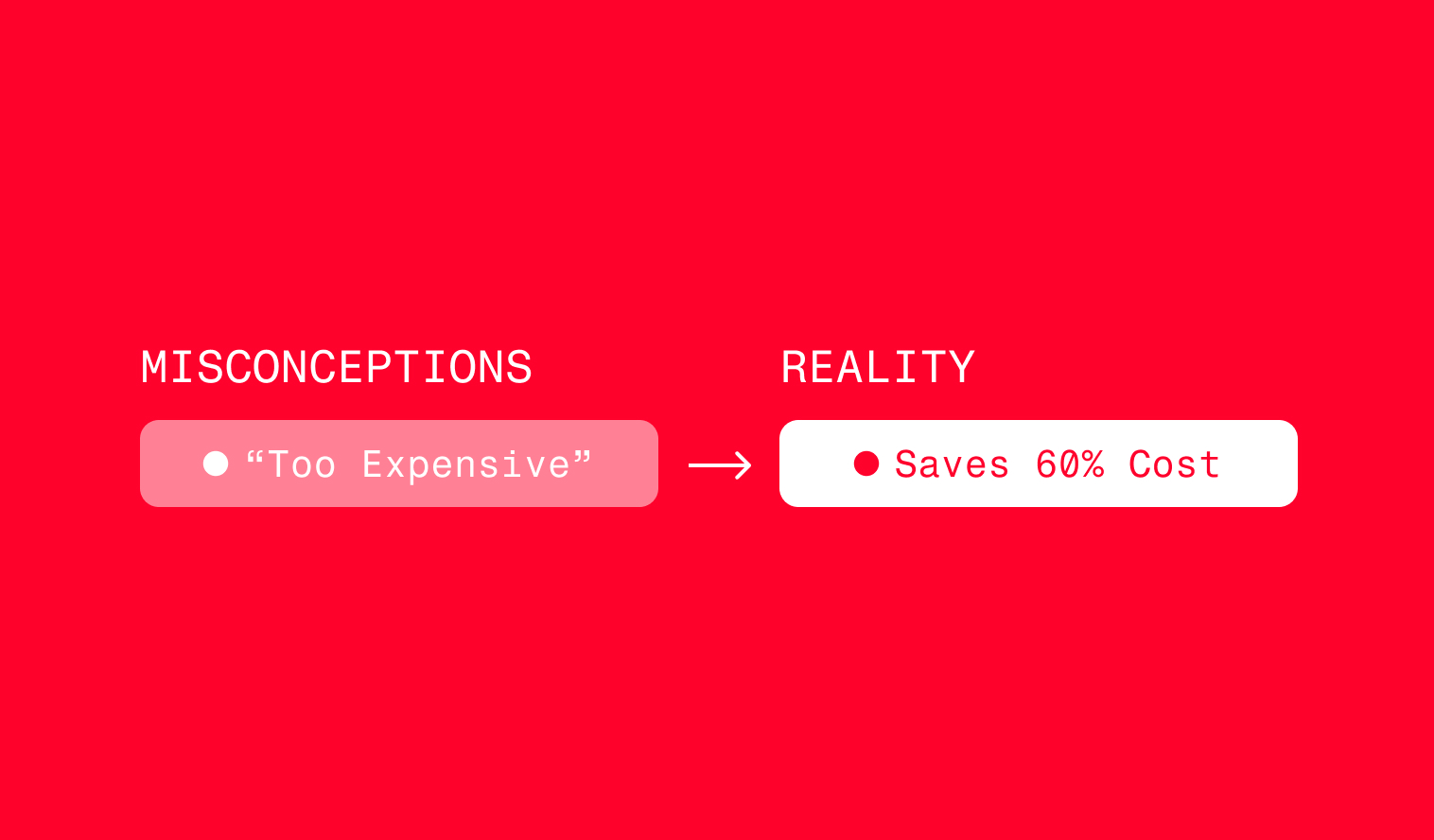
Key Outreach holds the #1 reply-rate position on SmartLead among 5,000+ users, a result driven primarily by infrastructure and targeting discipline rather than clever copy alone. So before rewriting your subject lines for the fifth time, audit two things: your sending infrastructure (dedicated domains, warmed up, clean reputation) and your list quality (fresh, targeted lists built weekly rather than a stale purchased blast). Fix those two layers, then optimise subject lines.

Heading 1

Heading 2

Heading 3

Heading 4

Heading 5

Heading 5

Text Link
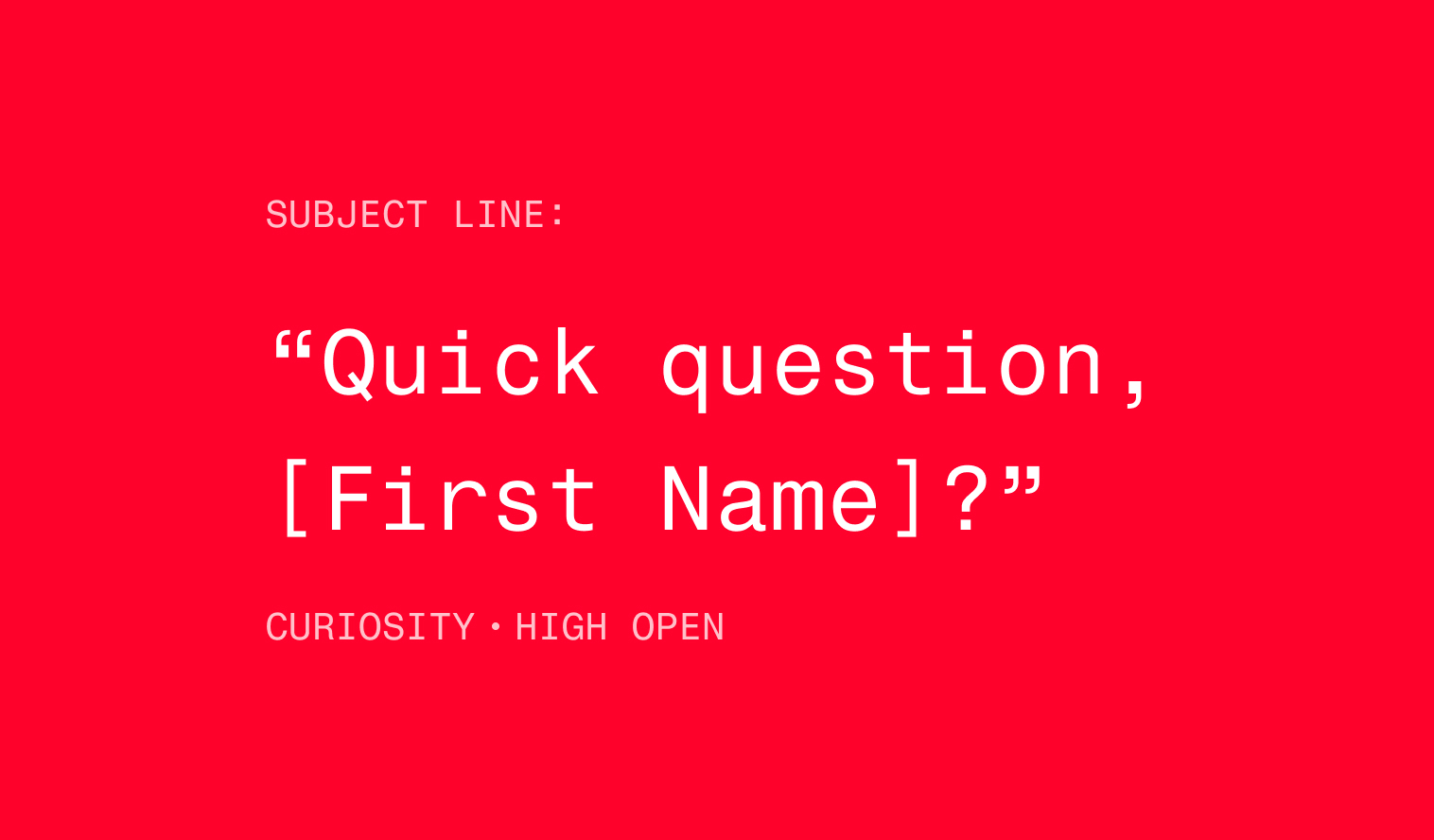
Minimal visual emphasizing the power of curiosity-driven email subject lines, showing how short and personalized messaging can increase open rates and improve cold outreach engagement.

When deliverability and targeting are already solid, a sharp subject line is what separates an opened email from a deleted one.

‍

The best email subject lines for business are clear, specific, and tell the recipient both what the email is about and what you need from them in under 10 words. They avoid vague labels, spam-trigger words, and ALL CAPS. Below are 121+ email subject line examples for business, organized by scenario, five repeatable formulas, and the mistakes that quietly kill open rates.

‍

Here’s what you’ll get from this guide:

  • 121+ categorized examples — introductions, meeting requests, follow-ups, proposals, curiosity hooks, value angles, and more
  • Five fill-in-the-blank formulas — repeatable structures you can use for any business email
  • The mistakes that tank open rates — and the simple fix for each one

‍

P.S. — Key Outreach has been running managed outbound email programs since 2015. If you’d rather skip the trial-and-error and see what a full team could book for you, book a call with Key Outreach.

TL;DR

  • Good business subject lines follow two rules: name the topic, signal the ask.
  • Length sweet spot: 6–10 words / roughly 40–60 characters. Front-load the important words, since mobile clients show only ~30.
  • The subject line is the third most important variable in cold email, behind deliverability and targeting.
  • Use the five formulas below to write strong subject lines fast, without starting from scratch.
  • Before rewriting your subject lines again, audit your sending infrastructure and list quality first — those two fixes move the needle more than any clever copy.
Table of Contents

What makes a business email subject line work

‍

Effective business subject lines share a small set of structural traits. Understanding those traits matters more than memorising templates, because once you have them down you can write a strong subject line for any situation, not just the ones covered in a listicle.

‍

Around 47% of recipients decide whether to open an email based on the subject line alone, a figure cited consistently across email-marketing research — and roughly 69% will report an email as spam on the strength of the subject line too. That’s a lot riding on a single line of text, so the structure is worth getting right.

‍

The “Topic + Purpose” approach is the simplest one that works: every good business subject line names the topic and signals what the reader should do. In practice, that means:

  • Clarity over cleverness — the recipient should know the topic and the ask before opening
  • Optimal length — 6–10 words / ~40–60 characters, fully visible on desktop; mobile shows ~30 characters, so front-load the words that matter
  • Specificity — names, dates, numbers, or project references beat vague labels
  • Tone match — formal for clients and executives, direct for internal teams, curiosity-driven for cold outreach
  • One subject per email — if the subject line needs an “and,” it’s probably two emails

‍

The most common mistake is sacrificing clarity for creativity. A clever subject line that leaves the reader guessing gets deleted even when it’s technically impressive, so write for the inbox rather than the award show.

‍

‍

Email subject line examples for every business scenario

‍

The fastest way to learn is from categorised, real-world examples. The lines below are grouped by the most common business email situations, each following the anatomy rules above. Use them as-is, or adapt the structure to your context.

‍

‍

Introduction and first-touch subject lines

‍

First impressions in the inbox are brutal. The recipient doesn’t know you, and generic subject lines get deleted in under two seconds. A good introduction subject line names a shared connection, a specific reason for reaching out, or a clear value proposition — in under 10 words.

‍

Cold email subject line examples for B2B outreach with an explanation of why each one works
Subject Line Example Why It Works
[Mutual connection] suggested I reach out Social proof plus specificity — feels warm, not cold
Quick question about [Company]’s [initiative] Relevant, low-commitment ask — easy to open
Idea for [specific problem they face] Leads with value, not a pitch
[Their company] + [your company] — worth a conversation? Clear and direct, names both parties
Intro: [your name], [your role] at [company] Transparent and professional — no tricks
Noticed [Company] just [recent trigger event] Shows you’ve done your homework
[Industry] challenge I’ve seen at companies like [theirs] Relevant and peer-level in tone
Saw your post on [topic] — one thought Ties to something they actually did
Should this be on your radar, [first name]? Direct question, respects their judgement
[Common contact] mentioned you handle [area] Warm referral plus relevance
Reaching out about [Company]’s [initiative] Plain, specific, no gimmick
Big fan of what [Company] did with [project] Genuine, specific compliment opens doors
Loved [Company]’s take on [topic] Flattery grounded in specifics
Following [Company] since [event] — quick note Shows real familiarity
[Mutual connection] suggested I reach out
Why It Works Social proof plus specificity — feels warm, not cold
Quick question about [Company]’s [initiative]
Why It Works Relevant, low-commitment ask — easy to open
Idea for [specific problem they face]
Why It Works Leads with value, not a pitch
[Their company] + [your company] — worth a conversation?
Why It Works Clear and direct, names both parties
Intro: [your name], [your role] at [company]
Why It Works Transparent and professional — no tricks
Noticed [Company] just [recent trigger event]
Why It Works Shows you’ve done your homework
[Industry] challenge I’ve seen at companies like [theirs]
Why It Works Relevant and peer-level in tone
Saw your post on [topic] — one thought
Why It Works Ties to something they actually did
Should this be on your radar, [first name]?
Why It Works Direct question, respects their judgement
[Common contact] mentioned you handle [area]
Why It Works Warm referral plus relevance
Reaching out about [Company]’s [initiative]
Why It Works Plain, specific, no gimmick
Big fan of what [Company] did with [project]
Why It Works Genuine, specific compliment opens doors
Loved [Company]’s take on [topic]
Why It Works Flattery grounded in specifics
Following [Company] since [event] — quick note
Why It Works Shows real familiarity

‍

These work because they put the recipient’s world first. The moment a subject line leads with your company name or product, it reads like a broadcast, so lead with them instead.

‍

For a deeper look at how to write an intro email that converts once the subject line earns the open, that guide covers body copy, structure, and tone. From there, add brand personality to your emails and turn replies into booked sales appointments.

‍

‍

Meeting request subject lines

‍

Meeting-request emails compete with dozens of other calendar asks every day. The subject line should name the meeting’s purpose and, ideally, a proposed time or duration, so the recipient can decide in seconds whether it’s worth their attention.

‍

Cold email subject line examples for requesting a meeting or call with an explanation of why each one works
Subject Line Example Why It Works
30-min sync on Q4 targets — Thursday? Purpose, duration, and a proposed day
[Project name] kickoff: can we meet this week? Specific context, low-friction ask
Quick call to align on [topic] — 15 mins? Short and direct, respects their time
Follow-up from [event/conversation] — worth a call? Ties to shared context
[Their company] + [your company]: intro call this week? Clear intent, names both parties
Scheduling [decision/approval] — need 20 mins Stakes are clear before they open
Two times that work for a quick call? Hands them an easy yes/no
15 minutes on [topic] before [deadline]? Purpose plus a reason to act now
Worth a quick call, or better over email? Low-pressure, gives them an out
[Day] at [time] for a [topic] walkthrough? Concrete slot, concrete subject
Can I steal 10 minutes this week? Names the exact cost up front
[Topic] — call or async, your call Respects how they like to work
30-min sync on Q4 targets — Thursday?
Why It Works Purpose, duration, and a proposed day
[Project name] kickoff: can we meet this week?
Why It Works Specific context, low-friction ask
Quick call to align on [topic] — 15 mins?
Why It Works Short and direct, respects their time
Follow-up from [event/conversation] — worth a call?
Why It Works Ties to shared context
[Their company] + [your company]: intro call this week?
Why It Works Clear intent, names both parties
Scheduling [decision/approval] — need 20 mins
Why It Works Stakes are clear before they open
Two times that work for a quick call?
Why It Works Hands them an easy yes/no
15 minutes on [topic] before [deadline]?
Why It Works Purpose plus a reason to act now
Worth a quick call, or better over email?
Why It Works Low-pressure, gives them an out
[Day] at [time] for a [topic] walkthrough?
Why It Works Concrete slot, concrete subject
Can I steal 10 minutes this week?
Why It Works Names the exact cost up front
[Topic] — call or async, your call
Why It Works Respects how they like to work

‍

The key word in every meeting-request subject line is purpose. “Can we chat?” tells the recipient nothing; “30-min sync on Q4 targets — Thursday?” tells them everything they need to decide.

‍

‍

Follow-up subject lines

‍

Follow-ups are where most business email falls apart, either through a lazy “Re: Checking in” or a repeat of the original with no new information. A strong follow-up subject line adds context the recipient didn’t have before: a new resource, a deadline, or a specific next step.

‍

Cold email follow-up subject line examples with an explanation of why each one works
Subject Line Example Why It Works
Sent the proposal Monday — two things to flag Adds urgency and new context
Following up on [topic] — deadline is [date] Stakes clear, action obvious
One more thought on [their challenge] Curiosity gap that feels personal, not automated
Quick update on [project/topic] Specific, not vague
Still relevant? [original topic] Low-pressure re-engagement
[Resource/case study] that might help with [topic] Leads with value, not persistence
Circling back — [specific next step] Direct about what happens next
Did this get buried, [first name]? Human, forgiving, easy to answer
Update on [topic] since we last spoke Signals genuinely new information
Should I close the loop on [topic]? Gives them a graceful yes/no
[Deadline] is close — still want [outcome]? Properly timed nudge
Closing the file on [topic] unless… Gentle take-away close
Sent the proposal Monday — two things to flag
Why It Works Adds urgency and new context
Following up on [topic] — deadline is [date]
Why It Works Stakes clear, action obvious
One more thought on [their challenge]
Why It Works Curiosity gap that feels personal, not automated
Quick update on [project/topic]
Why It Works Specific, not vague
Still relevant? [original topic]
Why It Works Low-pressure re-engagement
[Resource/case study] that might help with [topic]
Why It Works Leads with value, not persistence
Circling back — [specific next step]
Why It Works Direct about what happens next
Did this get buried, [first name]?
Why It Works Human, forgiving, easy to answer
Update on [topic] since we last spoke
Why It Works Signals genuinely new information
Should I close the loop on [topic]?
Why It Works Gives them a graceful yes/no
[Deadline] is close — still want [outcome]?
Why It Works Properly timed nudge
Closing the file on [topic] unless…
Why It Works Gentle take-away close

‍

“Checking in” signals nothing and earns nothing. Every follow-up should give the recipient a new reason to open, not just a reminder that you haven’t heard back. For more on cadences, see the importance of follow-up in sales.

‍

‍

Proposal and sales subject lines

‍

When you’re sending a proposal, pricing, or a sales email, the subject line needs to balance professionalism with enough specificity that the recipient knows exactly what’s inside and feels compelled to open it now rather than later. These don’t need gimmicks, they need precision.

‍

Cold email subject line examples for sending a proposal or pricing with an explanation of why each one works
Subject Line Example Why It Works
Custom pricing for [Company]’s [initiative] Specific to them, not a generic quote
[Company] proposal: ready for your review Clear deliverable, clear action
Three options for [their goal] — which fits best? Gives them a decision to make
[Project name] scope + next steps Professional, structured, easy to act on
Proposal attached — a few things to flag first Creates anticipation before they open
[Their company]: investment summary for [initiative] Specific framing, specific context
The numbers for [initiative], as promised Signals you’re following through
Revised proposal for [Company] — one change Flags exactly what’s new
ROI breakdown for [initiative] inside Leads with the figure buyers care about
Ready to move on [project]? Next steps here Assumes momentum, names the action
[Company] pricing — good through [date] Specific deliverable, honest deadline
Final version of [deliverable] attached Signals it’s ready to sign off
Custom pricing for [Company]’s [initiative]
Why It Works Specific to them, not a generic quote
[Company] proposal: ready for your review
Why It Works Clear deliverable, clear action
Three options for [their goal] — which fits best?
Why It Works Gives them a decision to make
[Project name] scope + next steps
Why It Works Professional, structured, easy to act on
Proposal attached — a few things to flag first
Why It Works Creates anticipation before they open
[Their company]: investment summary for [initiative]
Why It Works Specific framing, specific context
The numbers for [initiative], as promised
Why It Works Signals you’re following through
Revised proposal for [Company] — one change
Why It Works Flags exactly what’s new
ROI breakdown for [initiative] inside
Why It Works Leads with the figure buyers care about
Ready to move on [project]? Next steps here
Why It Works Assumes momentum, names the action
[Company] pricing — good through [date]
Why It Works Specific deliverable, honest deadline
Final version of [deliverable] attached
Why It Works Signals it’s ready to sign off

‍

‍

Internal and team communication subject lines

‍

Internal emails are the most neglected category for subject-line quality. Vague subjects like “Update” or “FYI” create inbox noise and train your team to ignore your messages. Internal subject lines should follow the same Topic + Purpose rule as external ones — the audience is different, but the need for clarity is identical.

‍

Internal team email subject line examples with an explanation of why each one works
Subject Line Example Why It Works
Q3 headcount plan: approve by Friday Topic, action, deadline
[Project name] — status yellow — need help with 3 items Flags urgency without being alarmist
Action required: [specific task] by [date] Unambiguous, easy to prioritize
FYI: [policy/process] change effective [date] Transparent, no guessing required
[Team name] meeting agenda — [date] Prepares the reader before they arrive
Decision needed: [topic] — two options attached Stakes clear, action obvious
Blocker on [project] — 5 mins today? Names the problem and the size of the ask
Review needed: [doc] before [date] Clear task, clear deadline
[Project] update — on track for [date] Reassures without a meeting
Heads-up: [change] starts [date] Prepares the team, no ambiguity
Your input on [topic] by EOD? Specific ask, specific timeframe
Recap + owners from [meeting] Turns a meeting into action
Q3 headcount plan: approve by Friday
Why It Works Topic, action, deadline
[Project name] — status yellow — need help with 3 items
Why It Works Flags urgency without being alarmist
Action required: [specific task] by [date]
Why It Works Unambiguous, easy to prioritize
FYI: [policy/process] change effective [date]
Why It Works Transparent, no guessing required
[Team name] meeting agenda — [date]
Why It Works Prepares the reader before they arrive
Decision needed: [topic] — two options attached
Why It Works Stakes clear, action obvious
Blocker on [project] — 5 mins today?
Why It Works Names the problem and the size of the ask
Review needed: [doc] before [date]
Why It Works Clear task, clear deadline
[Project] update — on track for [date]
Why It Works Reassures without a meeting
Heads-up: [change] starts [date]
Why It Works Prepares the team, no ambiguity
Your input on [topic] by EOD?
Why It Works Specific ask, specific timeframe
Recap + owners from [meeting]
Why It Works Turns a meeting into action

‍

The rule that applies externally applies internally: if the subject line could describe a dozen different emails, rewrite it until it could only describe this one.

‍

‍

FOMO and benefit-led subject lines

‍

The fear of missing out is hard to resist, and a benefit-led line paired with a little scarcity or urgency taps straight into it. Time-sensitive framing — words like “important,” “closing,” or a named deadline — tends to lift response rates, as long as the urgency is real. These work best when [your solution] is swapped for a concrete outcome you can back up.

‍

Benefit-driven cold email subject line examples with an explanation of why each one works
Subject Line Example Why It Works
Drive revenue with [your solution] Leads with the outcome they want
Cut operating costs with [your solution] Names a pain most teams share
Lower acquisition costs before [quarter] closes Benefit plus a real deadline
Improve team efficiency with [your solution] Outcome-focused, not feature-focused
Hit your [metric] target this quarter Ties directly to their goal
Save [X hours] a week on [task] Quantified benefit beats a vague promise
Fewer [problem]s by [month] Specific outcome, specific timeframe
Last week to lock in [offer/rate] Genuine scarcity, clearly stated
Reach [audience] before your competitors do Competitive urgency
Boost [metric] with [your solution] Simple, concrete, easy to open
[X] spots left for [offer] Clear scarcity
Prices change [date] — worth a look Honest deadline, soft push
Drive revenue with [your solution]
Why It Works Leads with the outcome they want
Cut operating costs with [your solution]
Why It Works Names a pain most teams share
Lower acquisition costs before [quarter] closes
Why It Works Benefit plus a real deadline
Improve team efficiency with [your solution]
Why It Works Outcome-focused, not feature-focused
Hit your [metric] target this quarter
Why It Works Ties directly to their goal
Save [X hours] a week on [task]
Why It Works Quantified benefit beats a vague promise
Fewer [problem]s by [month]
Why It Works Specific outcome, specific timeframe
Last week to lock in [offer/rate]
Why It Works Genuine scarcity, clearly stated
Reach [audience] before your competitors do
Why It Works Competitive urgency
Boost [metric] with [your solution]
Why It Works Simple, concrete, easy to open
[X] spots left for [offer]
Why It Works Clear scarcity
Prices change [date] — worth a look
Why It Works Honest deadline, soft push

‍

‍

Curiosity-driven subject lines

‍

Curiosity is a sustainable way to earn opens: a subject line that hints at something useful without revealing it creates a small tension the reader resolves by opening. The trick is grounding the curiosity in something real, so the body delivers on the hook rather than baiting them.

‍

Curiosity-driven cold email subject line examples with an explanation of why each one works
Subject Line Example Why It Works
The [metric] fix most [role]s miss Implies insider knowledge
What [competitor/peer] is doing differently Peer comparison pulls attention
A faster way to [outcome] Promises a shortcut worth seeing
Noticed something about [Company]’s [area] Personal, specific, open loop
One change that lifted [metric] by [number] Curiosity plus a concrete result
Why [common approach] is costing you [outcome] Challenges an assumption
The question no one’s asking about [topic] Reframes something familiar
Is [assumption] actually true for [Company]? Direct question about their world
Three ideas for [their goal] — the third is unusual Specific hook that rewards the open
Quick thought on your [initiative] Low-key, human, and open-ended
This reminded me of [Company] Personal, curiosity-piquing
Something you’ll want to see before [event] Timely open loop
The [metric] fix most [role]s miss
Why It Works Implies insider knowledge
What [competitor/peer] is doing differently
Why It Works Peer comparison pulls attention
A faster way to [outcome]
Why It Works Promises a shortcut worth seeing
Noticed something about [Company]’s [area]
Why It Works Personal, specific, open loop
One change that lifted [metric] by [number]
Why It Works Curiosity plus a concrete result
Why [common approach] is costing you [outcome]
Why It Works Challenges an assumption
The question no one’s asking about [topic]
Why It Works Reframes something familiar
Is [assumption] actually true for [Company]?
Why It Works Direct question about their world
Three ideas for [their goal] — the third is unusual
Why It Works Specific hook that rewards the open
Quick thought on your [initiative]
Why It Works Low-key, human, and open-ended
This reminded me of [Company]
Why It Works Personal, curiosity-piquing
Something you’ll want to see before [event]
Why It Works Timely open loop

‍

‍

Sharing valuable information

‍

Subject lines that promise genuine insight build you into a source worth reading. Offering a glimpse of what the reader will learn — a tactic, a benchmark, a lesson — earns the open and sets up the next email too.

‍

Value-driven cold email subject line examples with an explanation of why each one works
Subject Line Example Why It Works
[Number] ways to improve [metric] this quarter Numbered, specific, digestible
A benchmark for [their industry] [metric] Data they can use immediately
How [peer company] approached [challenge] Concrete, relevant example
Revenue-driving tactics for [role]s Names the audience and the payoff
What we learned from [X campaigns/tests] Earned insight, not opinion
The playbook for [specific outcome] Promises something actionable
[Tool/resource] worth 10 minutes of your time Sets a low, honest time cost
A shorter path to [their goal] Value framed as time saved
The [metric] benchmark for [year] Timely, data-led
What’s working in [industry] right now Current and relevant
A checklist for [common task] Immediately usable
[Number] mistakes to avoid in [area] Loss-framed, specific
[Number] ways to improve [metric] this quarter
Why It Works Numbered, specific, digestible
A benchmark for [their industry] [metric]
Why It Works Data they can use immediately
How [peer company] approached [challenge]
Why It Works Concrete, relevant example
Revenue-driving tactics for [role]s
Why It Works Names the audience and the payoff
What we learned from [X campaigns/tests]
Why It Works Earned insight, not opinion
The playbook for [specific outcome]
Why It Works Promises something actionable
[Tool/resource] worth 10 minutes of your time
Why It Works Sets a low, honest time cost
A shorter path to [their goal]
Why It Works Value framed as time saved
The [metric] benchmark for [year]
Why It Works Timely, data-led
What’s working in [industry] right now
Why It Works Current and relevant
A checklist for [common task]
Why It Works Immediately usable
[Number] mistakes to avoid in [area]
Why It Works Loss-framed, specific

‍

‍

In-person meeting subject lines

‍

Setting up a coffee or lunch needs a subject line that feels light and human rather than transactional. Short, casual, and specific about the format tends to win the yes.

‍

Coffee and lunch meetup cold email subject line examples with an explanation of why each one works
Subject Line Example Why It Works
Coffee on me, [first name]? Personal and low-commitment
Lunch to talk [industry/interest]? Names the reason without pitching
Free for a quick coffee [day]? Specific day, easy to answer
In [city] next week — lunch? Timely and local
20 minutes over coffee? Names the time cost up front
[Restaurant] and a chat about [topic]? Concrete and inviting
Catch up in person, [first name]? Warm, no agenda pressure
Grab lunch and trade notes on [topic]? Positions it as mutual, not a sales call
Around [area] [day]? Coffee? Casual, geographically specific
Breakfast before [event]? Ties to a shared occasion
Quick coffee while I’m in town? Time-bound and low-key
Same [conference]? Let’s meet up Shared context, easy yes
Coffee on me, [first name]?
Why It Works Personal and low-commitment
Lunch to talk [industry/interest]?
Why It Works Names the reason without pitching
Free for a quick coffee [day]?
Why It Works Specific day, easy to answer
In [city] next week — lunch?
Why It Works Timely and local
20 minutes over coffee?
Why It Works Names the time cost up front
[Restaurant] and a chat about [topic]?
Why It Works Concrete and inviting
Catch up in person, [first name]?
Why It Works Warm, no agenda pressure
Grab lunch and trade notes on [topic]?
Why It Works Positions it as mutual, not a sales call
Around [area] [day]? Coffee?
Why It Works Casual, geographically specific
Breakfast before [event]?
Why It Works Ties to a shared occasion
Quick coffee while I’m in town?
Why It Works Time-bound and low-key
Same [conference]? Let’s meet up
Why It Works Shared context, easy yes

‍

‍

Five formulas for writing business subject lines fast

‍

Instead of starting from scratch every time, use one of these five repeatable formulas. Each encodes the Topic + Purpose anatomy into a fill-in-the-blank structure, so you can produce a strong subject line in under 30 seconds.

‍

1. The Specific Ask — [Topic]: [what you need] by [when]Example: “Q3 budget report: need your numbers by Friday”
Best for internal emails, deadline-driven requests, and approval chains. The deadline turns a vague ask into a clear action.

2. The Value Lead — [Benefit/idea] for [their company/role]Example: “3 ideas to cut [Company]’s onboarding time”
Best for cold outreach and business development. It leads with what’s in it for them, not who you are.

3. The Mutual Connection — [Name] suggested I reach out about [topic]Example: “Sarah Chen suggested I reach out about your hiring plans”
Best for warm introductions and first-touch cold email. Social proof up front lowers the reader’s guard before they’ve read a word of the body.

4. The Status Flag — [Project/topic] — [status] — [action needed]Example: “Project Apex - yellow - need help with 3 items”
Best for internal project updates and client status emails. The three-part structure tells the reader what it’s about, how serious it is, and what to do.

5. The Curiosity Gap — [Unexpected observation or question about their world]Example: “Noticed [Company] is expanding into APAC — quick question”
Best for cold outreach and business development. Formulas 2, 3, and 5 are especially effective for B2B cold email, because they lead with relevance to the recipient rather than the sender’s agenda.

‍

‍

Mistakes that kill open rates (and trigger spam filters)

‍

Even a well-targeted email dies in the inbox if the subject line trips a spam filter or signals “mass blast.” Every mistake here has a simple fix, and most take under a minute.

‍

Common cold email subject line mistakes and how to fix each one
Mistake Fix
ALL CAPS or excessive punctuation (!!!) Sentence case only; one exclamation mark maximum
Vague / one-word subjects (“Update,” “Hey”) Name the topic and the ask
Misleading / bait-and-switch subjects Match the subject to the email body exactly
Spam-trigger words (“Free,” “Act now,” “Guaranteed”) Use plain, specific language instead
Too long (>60 characters) Front-load the important words in the first 40 characters
No personalisation at all Add the recipient’s name, company, or a specific detail
Same subject line for every email in a sequence Vary the angle; add new context in each follow-up
Sending cold outreach from your primary domain Use dedicated sending domains to protect deliverability
ALL CAPS or excessive punctuation (!!!)
Fix Sentence case only; one exclamation mark maximum
Vague / one-word subjects (“Update,” “Hey”)
Fix Name the topic and the ask
Misleading / bait-and-switch subjects
Fix Match the subject to the email body exactly
Spam-trigger words (“Free,” “Act now,” “Guaranteed”)
Fix Use plain, specific language instead
Too long (>60 characters)
Fix Front-load the important words in the first 40 characters
No personalisation at all
Fix Add the recipient’s name, company, or a specific detail
Same subject line for every email in a sequence
Fix Vary the angle; add new context in each follow-up
Sending cold outreach from your primary domain
Fix Use dedicated sending domains to protect deliverability

‍

That last row deserves more than a table cell. Sending cold or bulk business email from your primary domain puts your deliverability at risk for every email you send, including client and internal messages. The fix is separate sending domains, warmed for roughly two to three weeks before you ramp volume, with text-only formatting — the infrastructure layer most teams skip entirely.

‍

For a full breakdown of how to keep cold email out of spam, see these outbound email prospecting tips, which cover copy, targeting, and deliverability in detail. It’s also why Key Outreach’s managed infrastructure is built the way it is — dedicated domains, proper warm-up, text-only format — and a primary reason we hold the #1 reply-rate position on SmartLead among 5,000+ users in 2025. See how the system works.

‍

‍

How to test and improve your subject lines over time

‍

Writing a good subject line is step one. Knowing which lines actually perform, and iterating on the data, is what separates consistent results from guesswork. The testing loop doesn’t need to be complicated, just consistent.

  • A/B test one variable at a time — change only the subject line, not the body or send time, so you can tell what moved the needle
  • Measure the right metric — open rate tells you if the subject line worked; reply rate tells you if the full email worked. Track both, and don’t confuse them
  • Mind the sample size — test with at least 100–200 recipients per variant before drawing conclusions, since smaller samples produce noise
  • Keep a swipe file — log every subject line you test, its open rate, and the context (audience, day/time, email type); patterns emerge fast once you have 10–15 data points
  • Refresh every 4–6 weeks — subject lines fatigue, especially in sequences, so rotate angles and treat a declining open rate as a signal to try something new

Most platforms, SmartLead included, support native A/B testing on subject lines. Use it — but remember that testing only means something if deliverability is solid. If emails are landing in spam, your open-rate data is measuring nothing, so fix the infrastructure first.

‍

‍

Subject lines for cold business email — what’s different

‍

Cold email subject lines play by different rules than internal or client email. The recipient doesn’t know you, didn’t ask to hear from you, and will decide in under two seconds whether to open or delete.

  • Shorter is better — 3–6 words tend to outperform longer lines; longer subjects look like mass campaigns, shorter ones feel like a peer wrote them
  • No company name in the subject — it signals a template, so use it in the body instead
  • Lowercase or sentence case only — title case looks like marketing copy
  • Lead with their world, not yours — reference their company, role, industry, or a specific challenge they’re likely facing
  • Avoid “Re:” or “Fwd:” tricks — they erode trust instantly and can trigger spam filters; recipients have seen this play before
  • Write one-line subjects that feel peer-written — “quick question about [their initiative]” beats “Introducing [Your Company]’s Solution for [Their Industry]” in almost every test

‍

Cold email subject lines are one piece of a larger system. ICP targeting, list quality, sending infrastructure, follow-up cadence, and reply handling all determine whether a cold program books meetings — the subject line is the visible tip of a much larger iceberg.

‍

For context, Cohley, a content and UGC platform, booked 550+ meetings at 3x ROI through a managed email-first program that handled all of those variables together. The subject lines mattered, but they worked because the system underneath them was solid. Book a call to see what Key Outreach could build for you.

‍

‍

The subject line is rarely the real problem — you need an email performance stack

‍

Here’s the insight most subject-line guides won’t tell you: for B2B outbound, the subject line is usually the third most important variable, behind deliverability and behind targeting. Most teams optimise in the wrong order. Think of it as a three-layer stack, where each layer has to be solid before the one above it can perform.

  • Layer 1: Deliverability. Does the email reach the inbox at all? If it lands in spam, the world’s best subject line is invisible. Dedicated sending domains, proper warm-up (~2–3 weeks), text-only format, and a clean sender reputation are the foundation. Skip this layer and nothing else matters.
  • Layer 2: Targeting. Is the email going to someone who actually has the problem you solve, at the right company, at the right time? A generic subject line to the right person beats a brilliant subject line to the wrong person every time, and fresh lists built weekly beat static purchased lists by a wide margin.
  • Layer 3: Subject line and copy. Once deliverability and targeting are solid, then subject-line optimisation moves the needle. This is where the 120+ examples and five formulas in this guide become genuinely useful, because the email is actually reaching someone who cares.

‍

Key Outreach holds the #1 reply-rate position on SmartLead among 5,000+ users, a result driven primarily by infrastructure and targeting discipline rather than clever copy alone. So before rewriting your subject lines for the fifth time, audit two things: your sending infrastructure (dedicated domains, warmed up, clean reputation) and your list quality (fresh, targeted lists built weekly rather than a stale purchased blast). Fix those two layers, then optimise subject lines.

‍

For teams without the bandwidth to manage deliverability, list building, copy testing, and follow-up in-house, Key Outreach runs the entire system end-to-end, from ICP definition to booked meeting. Tagger, an influencer platform, booked 5,000+ meetings through this managed approach — growth that supported a $140M acquisition. See how a managed outbound system works.

‍

‍

Quick-reference cheat sheet

‍

Cold email subject line formulas by scenario, including introduction, meeting request, follow-up, proposal, internal, and short cold emails, each with a worked example
Scenario Formula Example
Introduction / cold outreach [Mutual connection / specific observation] + [low-commitment ask] “Sarah suggested I reach out — quick question”
Meeting request [Meeting purpose] + [proposed time/duration] “30-min sync on Q4 targets — Thursday?”
Follow-up [New context or value-add] + [next step] “Sent the proposal Monday — two things to flag”
Proposal / sales [Specific deliverable] + [for their company] “Custom pricing for [Company]’s APAC rollout”
Internal / team [Topic] + [action needed] + [deadline] “Q3 headcount plan: approve by Friday”
Cold email (short) [Their world, not yours] — 3–6 words “Noticed [Company]’s new VP hire”
Introduction / cold outreach
Formula [Mutual connection / specific observation] + [low-commitment ask]
Example “Sarah suggested I reach out — quick question”
Meeting request
Formula [Meeting purpose] + [proposed time/duration]
Example “30-min sync on Q4 targets — Thursday?”
Follow-up
Formula [New context or value-add] + [next step]
Example “Sent the proposal Monday — two things to flag”
Proposal / sales
Formula [Specific deliverable] + [for their company]
Example “Custom pricing for [Company]’s APAC rollout”
Internal / team
Formula [Topic] + [action needed] + [deadline]
Example “Q3 headcount plan: approve by Friday”
Cold email (short)
Formula [Their world, not yours] — 3–6 words
Example “Noticed [Company]’s new VP hire”

‍

‍

Ready for better results? Key Outreach runs the whole system

‍

A sharp subject line is one piece of a larger puzzle. When deliverability is broken or targeting is off, even the best line lands in spam or in front of the wrong person. The email performance stack works when all three layers hold: infrastructure, targeting, then copy.

‍

Here’s what to take away from this guide:

  • The anatomy of a strong subject line — Topic + Purpose, 6–10 words, specificity over cleverness, tone matched to the audience
  • 120+ examples across nine scenarios — introductions, meeting requests, follow-ups, proposals, internal comms, FOMO, curiosity, value, and in-person meetings — all built on the same structural rules
  • Five repeatable formulas — the Specific Ask, the Value Lead, the Mutual Connection, the Status Flag, and the Curiosity Gap — so you never start from scratch
  • The Email Performance Stack — fix deliverability and targeting before optimising subject lines, because that’s where the real leverage is

P.S. If you’re ready to see what a managed program could book for you, Key Outreach makes it simple: one call, a clear plan, and a team that runs the whole system — ICP, lists, copy, sending, and meeting booking. Book a call to get started.

‍

‍

Frequently Asked Questions

‍

What is the ideal length for a business email subject line?

The best business subject lines run 6–10 words, or roughly 40–60 characters. Desktop clients display ~60 characters; most mobile clients show ~30. Front-load the most important words — topic first, then the ask — so the line still works when it’s cut off on a small screen.

‍

What are good email subject lines for business introductions?

‍

Good introduction subject lines lead with the recipient’s world, not the sender’s. Reference a mutual connection, a specific trigger event, or a relevant challenge, and keep it under 10 words. For example: “Sarah suggested I reach out — quick question,” or “Noticed [Company] is expanding into APAC.” The goal is to feel like a peer, not a pitch.

‍

What words should I avoid in business email subject lines?

Avoid spam-trigger words like “Free,” “Act now,” “Guaranteed,” and “Limited offer,” along with ALL CAPS, excessive punctuation, and vague one-word subjects like “Update” or “Hey.” These either trip spam filters or signal low effort, and both outcomes mean the email never gets read.

‍

How do I write catchy email subject lines for business without sounding spammy?

Catchy business subject lines rely on specificity and relevance rather than gimmicks. A line referencing the recipient’s company, a recent event, or a specific challenge outperforms a “clever” one every time. Curiosity gaps work well — “Noticed [Company] just hired a new VP of Sales — quick question” — but only when grounded in something real.

‍

Should I personalize every business email subject line?

Yes, especially for cold outreach and business development. Personalization doesn’t have to mean a first name; referencing someone’s company, role, industry, or a specific initiative signals the email was written for them rather than blasted to a list. That distinction is what gets cold emails opened.

Garrett
Founder
Reading duration:
(script)
Last Updated
Sep 28, 2026