
Lead Generation
for SaaS
Helping Software companies build a predictable pipeline beyond inbound.
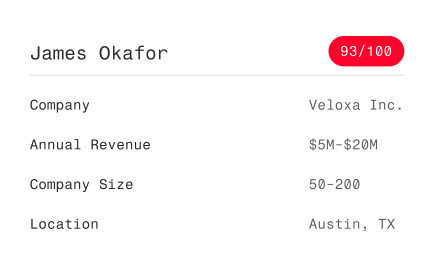
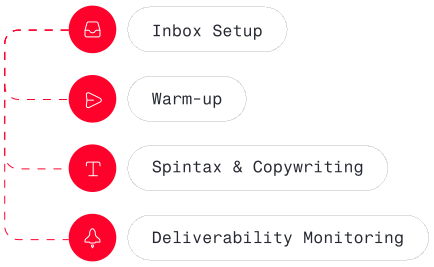
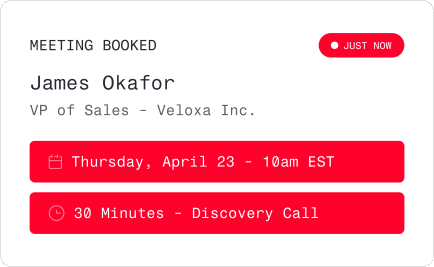
Who SaaS Teams Should Target
The strongest outbound opportunities often come from companies already investing in software, evaluating alternatives, or experiencing growth challenges that your solution can address. These buyers typically include revenue leaders, operations teams, and decision-makers responsible for improving performance and driving business outcomes.
Common Lead generation Challenges For Saas
Long sales cycles, multiple stakeholders, and crowded markets make lead generation increasingly difficult for SaaS teams. Even strong products can struggle to gain traction when sales teams lack the time, infrastructure, or resources required to consistently create new opportunities.
Where Lead Generation Breaks for SaaS
Many SaaS companies rely heavily on inbound demand, referrals, or founder-led sales efforts. As competition increases, generic outreach, poor targeting, and limited internal bandwidth make it difficult to consistently reach qualified buyers and maintain predictable pipeline growth.
How To Make Lead Generation Work for SaaS
Successful lead generation starts with targeting the right accounts, reaching decision-makers with relevant messaging, and maintaining consistent execution over time. When infrastructure, targeting, and outreach work together, SaaS teams can build predictable pipeline beyond inbound channels.

We’ll 10x your pipeline during the pilot, or keep working for free until we do.
What results look like








Lead Generation Insights for Revenue Leaders

How to Generate B2B Sales Leads: The $170 Million Guide

7 AI Outbound Calling Mistakes That Are Sabotaging Your Pipeline

What Is an Outreach Company & How to Choose One?
FAQs
Is it just email, or do you do LinkedIn and cold calling too?
Email is the engine. We add cold calling as an option and run small-batch LinkedIn for higher tiers. We keep LinkedIn limited on purpose because of the platform's volume restrictions.
Is there a contract, and how flexible is it?
The initial term is six months, because outbound needs runway to warm domains, test messaging, and mature into pipeline. After that you go month-to-month or scale up. There is a 60-day notice policy.
How do you find and target the right people?
We start with your ICP matrix (industry, title, company size, revenue, geography), then build fresh lists every week using LinkedIn Sales Navigator, Apollo, Seamless, Winmo, and our own 60M+ contact database. We never buy static lists.
Is this fully done-for-you, or do we have to manage it?
Fully managed. We handle ICP and list building, copywriting, domains and sending, inbox monitoring, and meeting booking. Your only real lift is onboarding up front and showing up to the meetings we set.
How do you keep our emails out of spam and protect our domain?
We never send from your primary domain. We buy, configure, and warm dedicated sending domains, send text only with no links or images, cap volume per account, and rotate across many accounts. Our deliverability team monitors inbox placement continuously.
How long until we see results?
Your first three weeks are onboarding and domain warm-up, with the first emails sent in week four. Meetings start coming in after that and build through the engagement. Anyone promising meetings in week one is cutting corners on deliverability.
How much does it cost, and how does that compare to hiring in-house?
We work on a tiered monthly retainer based on volume and channels. For context, a fully loaded in-house SDR runs roughly $110K to $160K a year before tools, and you get one person. With us, you get a full team for a fraction of that, and most programs are structured so that one closed deal covers the investment.